
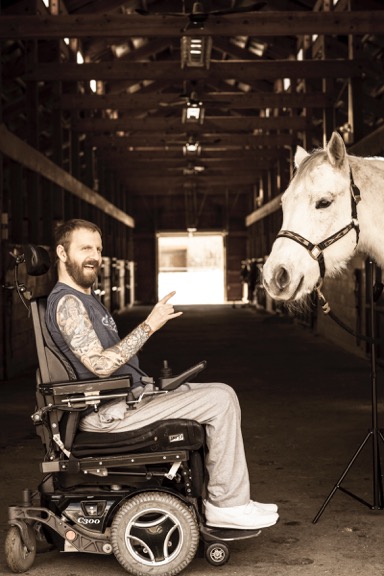
The goal of therapeutic riding is to promote independence through learning riding skills. Riders combine physical activity, cognitive stimulation, and emotional connection with the horse. The strength, rhythmic motion, and warmth of the horse allow riders to improve muscle tone, balance, and coordination while enjoying exercise and learning in a positive, safe environment.
Horse and rider become a team, offering the student the opportunity to develop the kind of communication skills, trust, and accomplishment that go beyond the barn. The connection between animal and human has been proven to foster respect and confidence while the gentle loving nature of the horse lessens anxiety and fear. Students become highly motivated to learn and to grow towards their full potential.
Don’t take our word for it, head over to our >> Testimonials Page << to see what our participants, volunteers, & parents are saying.
The walking motion of a horse resembles the human walking gait more than any other movement known to us. In fact, even with all the technological advances made in the field of physical therapy, no one has been able to replicate this movement on a machine. The horse’s movement facilitates activation of postural control, balance, motor, and sensory systems. Therapeutic riding at Swiftsure plays an important complementary role in helping students make significant improvements, resulting in greater functional skills and overall life enhancement. The following systems/functions are affected by equine-assisted services:
- Physical – The rhythmical walking motion of the horse closely simulates a person’s walking gait. Students experience improvements in muscle strength, flexibility, balance, coordination, endurance, sensory registration, visual/spatial orientation, motor control, rhythm/timing, physical arousal, and attentiveness. With this greater freedom of movement, an increase in self-esteem, confidence, and independence is possible.
- Cognitive – Therapeutic riding offers a motivational opportunity to improve concentration, attention span, memory, communication, decision-making, problem solving, sequencing, patience, judgment, and insight development.
- Behavioral – The positive horse and human interaction experienced through therapeutic riding can result in a greater sense of teamwork, responsibility, impulse control, limit setting, self-discipline, regulation, and relaxation.
- Emotional—As students experience the unconditional trust and patience of a therapy horse, changes are seen in their self-confidence, self-awareness, mood regulation, hopefulness, goal setting, and positive risk-taking. Students can deal with successes and failures as positive learning opportunities.
- Social – The therapy horse’s ability to model kindness and respect to the student fosters positive interaction between humans. When working with other students, improvements are seen in teamwork, cooperation, trust, respect, leadership, responsibility, and empathy.
The mental and emotional benefits of using horses for therapy are countless. There are published reports indicating the changes in confidence, patience, self-esteem and trust gained by participants of equine-assisted services.